
Probabilistic Graphical Models
Probabilistic graphical models for real decisions.
Bayesian networks, Markov networks, causal models, and the inference that runs on them. Worked examples across healthcare, retail, sports, policy, and drug discovery, every one shipping a model you can open and query in Darkstar.
-

Latest
Causality APIs 42: Loyalty Offers And Customer Lifetime Value
A synthetic loyalty-offer model separates redemption from true customer value when identity resolution, prior loyalty, margin, personalization, churn, and reward liability interact.
Latest articles
-
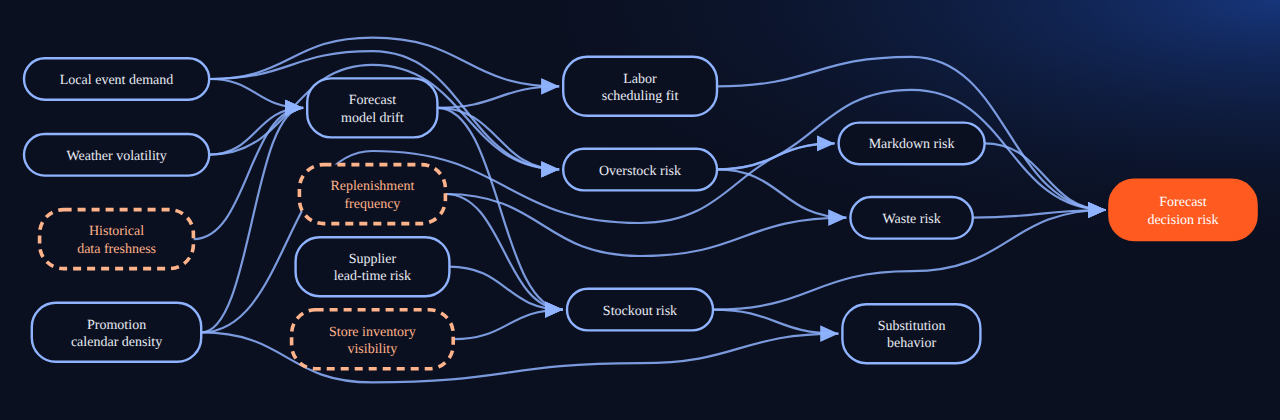
Causality APIs 41: Demand Forecasting When Weather And Events Move Together
A synthetic demand-forecasting model separates forecast accuracy from weather, events, promotions, supplier risk, inventory visibility, labor fit, stockouts, overstock, and waste.
-
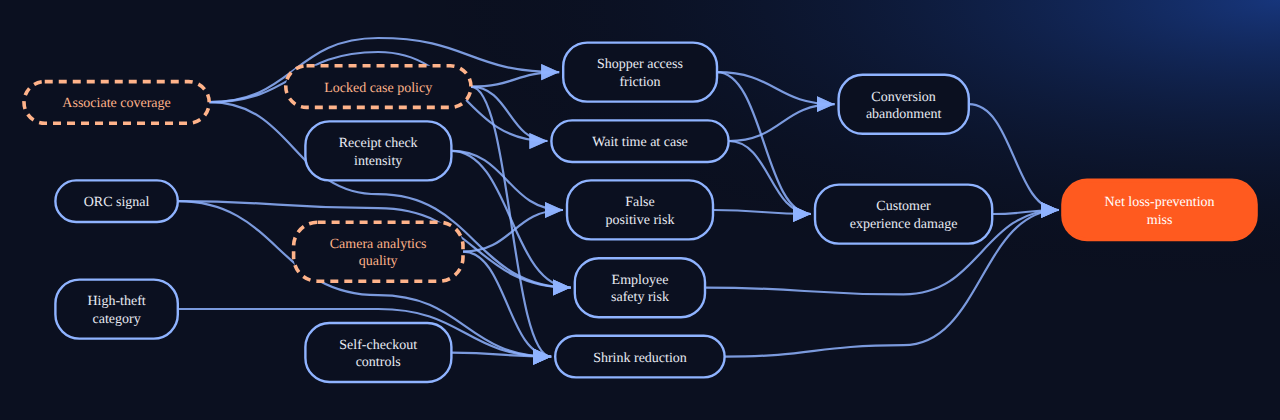
Causality APIs 40: Shrink Controls And The Cost Of Friction
A synthetic shrink-control model separates loss prevention benefit from customer friction, wait time, false positives, associate safety, and conversion loss.
-

Causality APIs 39: Dynamic Pricing With Competitor And Customer Response
A synthetic dynamic-pricing model separates margin lift from customer response, competitor moves, fairness concern, churn, and reference-price risk.
-

Causality APIs 38: Omnichannel Fulfillment Promises And Customer Trust
A synthetic fulfillment model separates fast promises from promise failures when inventory accuracy, routing, store labor, carrier capacity, and trust interact.
-
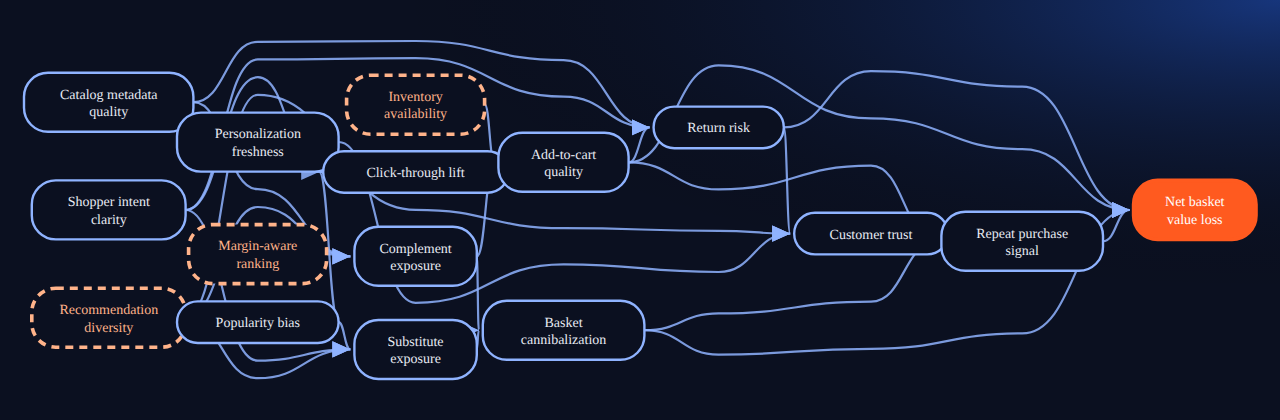
Causality APIs 37: Personalized Recommendations And Net Basket Value
A synthetic recommendation model separates click lift from net basket value when substitutes, complements, margin, inventory, trust, and returns move together.
-
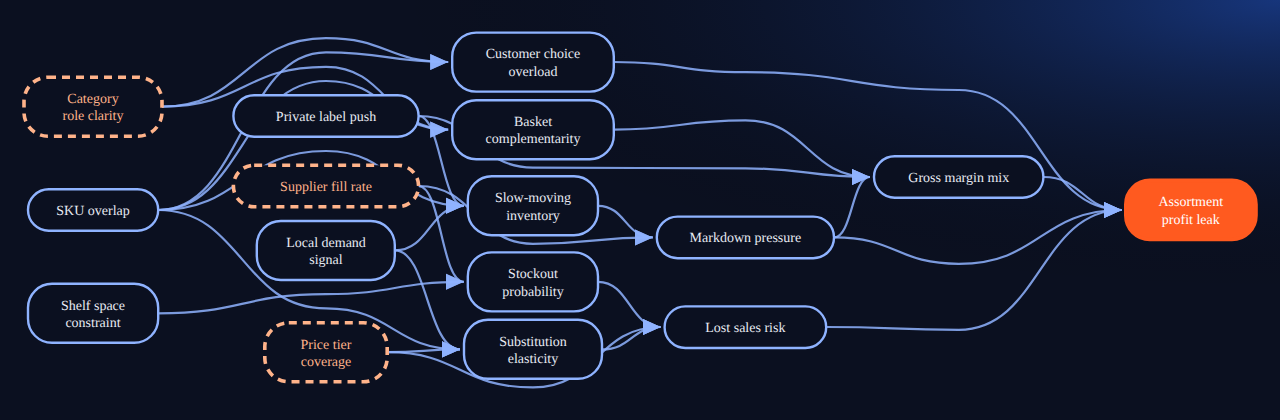
Causality APIs 36: Assortment Decisions When Products Substitute For Each Other
A synthetic assortment model shows why SKU rationalization depends on substitution, complements, stockouts, shelf space, and basket economics.
-

Causality APIs 35: Returns Policy Design And Fraud Risk
A synthetic returns-policy model separates conversion confidence from return abuse, reverse logistics cost, refund speed, and customer backlash.
-
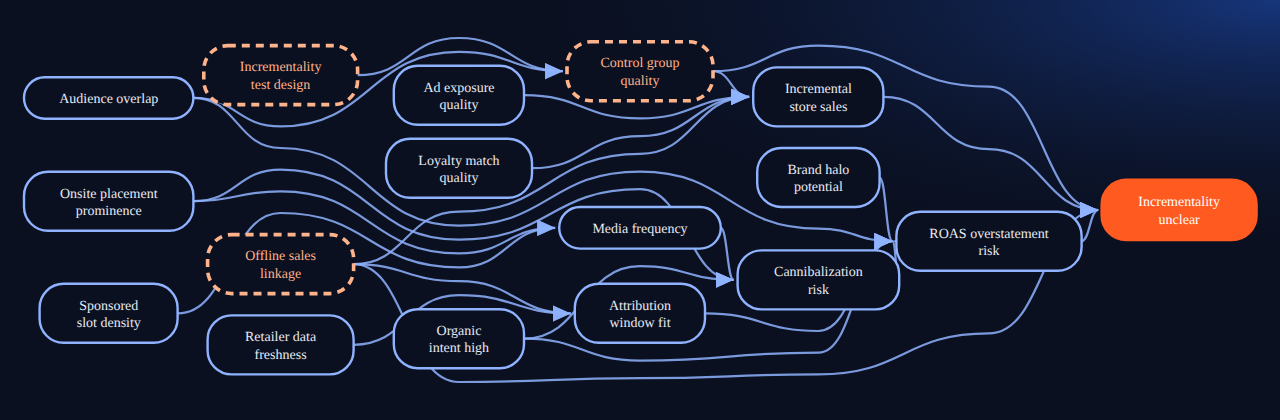
Causality APIs 34: Retail Media Incrementality Across Online And Store Sales
A synthetic retail media model separates attributed sales from incremental sales when organic intent, audience overlap, offline linkage, and control quality matter.
-

Causality APIs 33: Promotion Profit Under Inventory And Margin Constraints
A synthetic retail promotion model separates sales lift from contribution profit when discounts, inventory, substitutions, returns, and fulfillment costs move together.
-
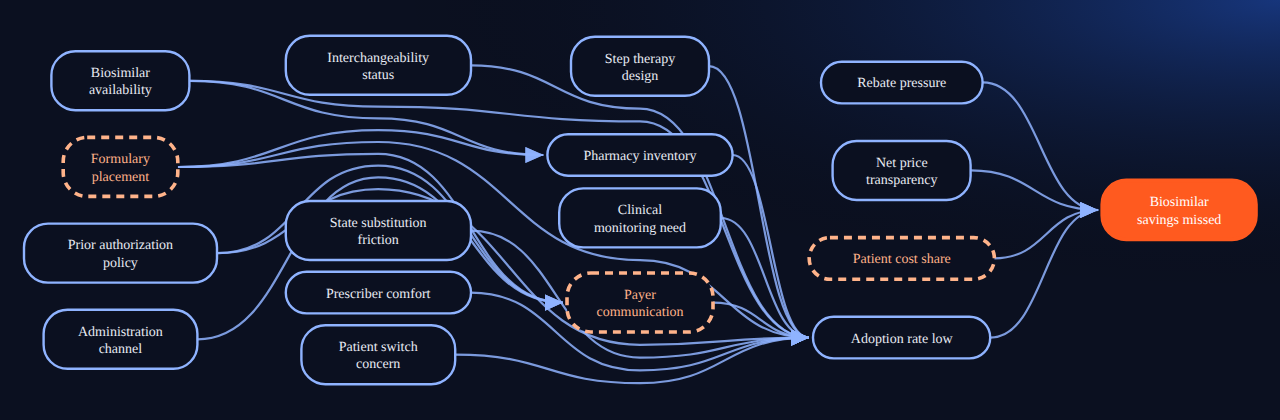
Causality APIs 32: Why Biosimilars Do Not Automatically Lower Costs
A synthetic biosimilar savings model shows why availability alone may not lower spending when substitution, formulary placement, rebates, inventory, prescriber trust, and patient cost share are unresolved.
-
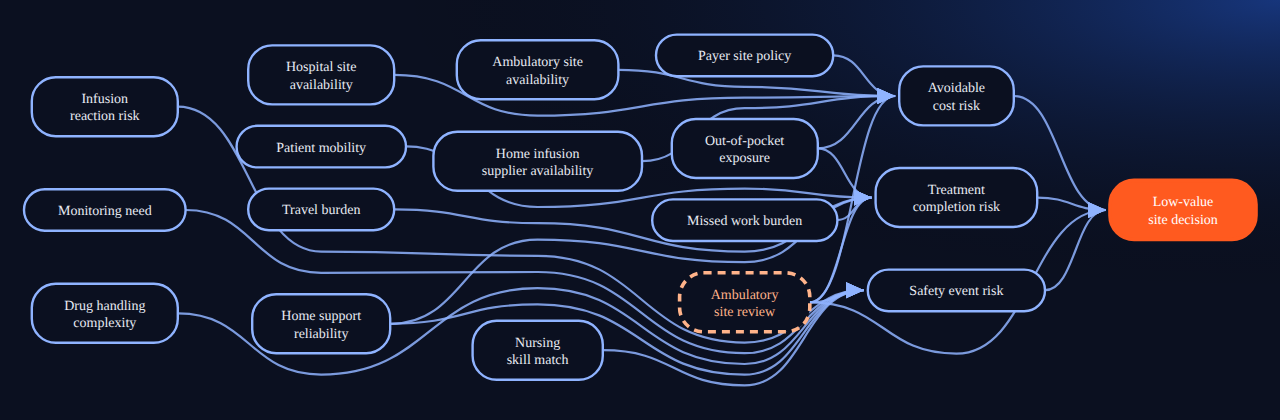
Causality APIs 31: Where Should An Infusion Happen?
A synthetic influence-style infusion model compares site-of-care decisions across safety, treatment completion, avoidable cost, patient burden, and payer policy.
-
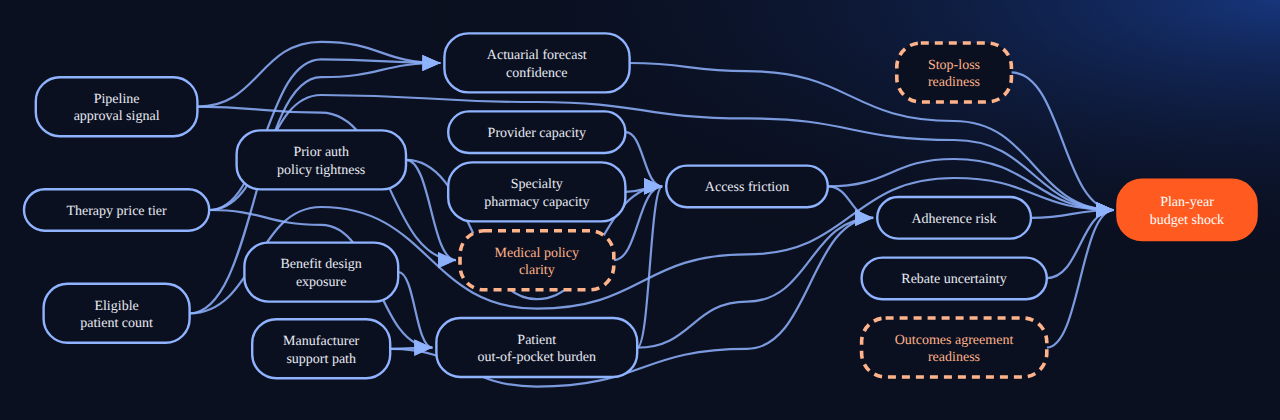
Causality APIs 30: The High-Cost Specialty Therapy That Changes The Plan Year
A synthetic plan-year model shows how approval timing, eligible population, price tier, stop-loss readiness, rebates, provider capacity, and access friction can combine into budget shock.